Primary Perks of Expert eWaste Removal: What You Ought to Discover
The handling of e-waste poses a pressing concern in today's digital landscape. Professional electronic waste removal services protect the biosphere and guarantee compliance with applicable rules. They mitigate data security issues and streamline the disposal cycle, which can greatly impact costs and corporate reputation. Understanding the multifaceted merits of these services is critical for entities aiming to administer their electronic waste responsibly. What primary factors should enterprises consider when choosing a waste management partner?
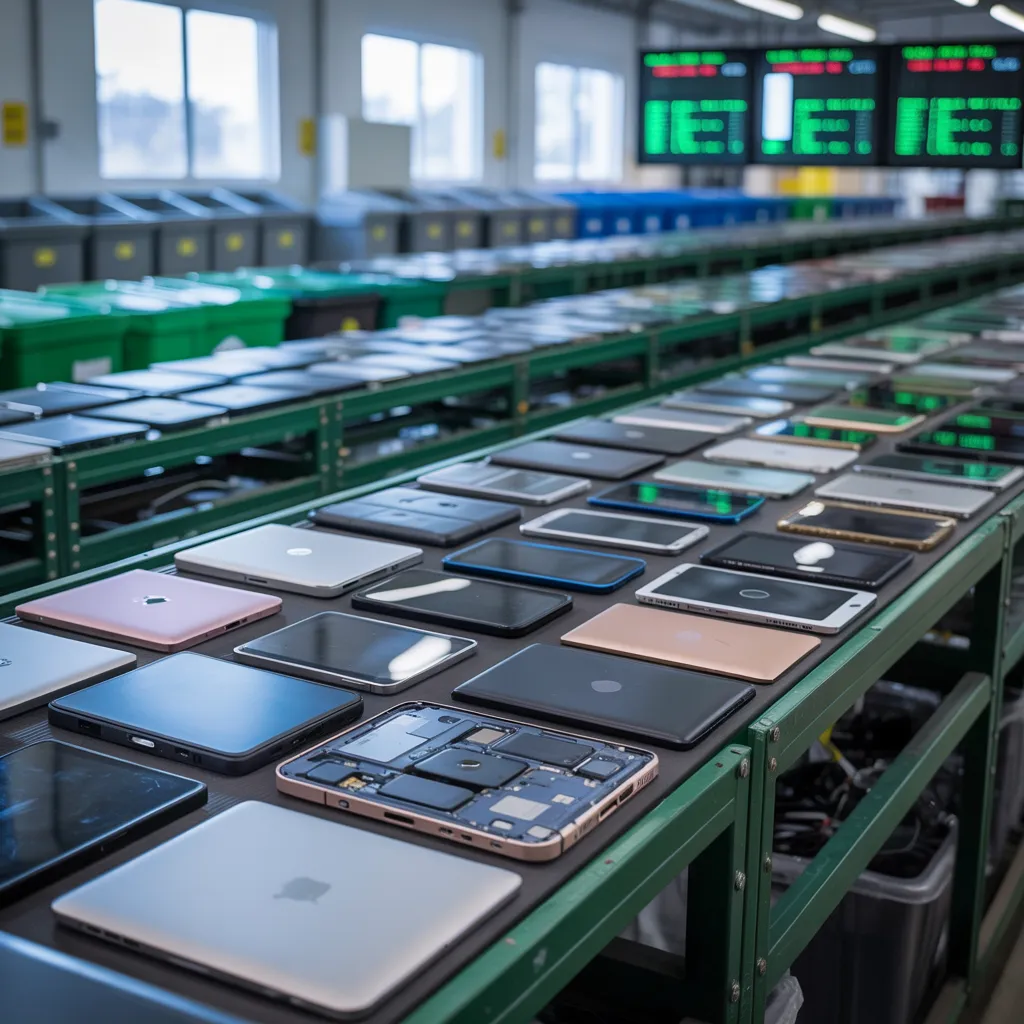
Why E-Waste Elimination Is Essential for the Environment
Although technology evolves at a rapid speed, the ecological impact of electronic waste persists as a vital concern. E-waste, which consists of discarded electronic items like smartphones, computers, and televisions, typically carries harmful substances such as lead, mercury, and cadmium. When poorly disposed, these elements can infiltrate soil and water sources, establishing considerable health hazards to natural habitats and human communities.
Moreover, e-waste contributes to the growing landfill issue, where important resources are wasted. Recycling and proper disposal may lessen these impacts by obtaining materials like metals and polymers, reducing the demand for virgin resources. Specialized e-waste disposal services guarantee adherence to environmental standards, supporting responsible handling of electronic waste. By giving priority to proper e-waste disposal, individuals and businesses can play an vital role in preserving the environment, preserving resources, and supporting a sustainable future. Such practices are fundamental for reducing the ecological footprint of a tech-centric society.
The Significance of Compliance in E-Waste Management Regulations
Observing e-waste management regulations is vital in formulating a regulatory framework that governs the processing of electronic waste materials. These regulations not only confirm that businesses respect ecological standards but also mitigate the adverse consequences of improper handling on ecological systems. Recognizing the meeting point of regulatory requirements and ecological considerations is vital for effective electronic waste handling.
Legal Structure Summary
The legal structure directing e-waste handling is crucial for fostering sustainable operations. Numerous rules, including the Resource Conservation and Recovery Act (RCRA) in the United States, set forth standards for the processing and disposal of electronic waste. These regulations seek to reduce safety concerns and environmental hazards caused by improper disposal. Following these regulations not only safeguards public health but also fosters responsibility among producers and consumers. Moreover, global pacts, such as the Basel Convention, emphasize the need for responsible e-waste handling on a global scale. Companies must remain aware about these regulatory mandates to prevent penalties and support eco-friendly operations. Comprehending this structure is essential for any organization participating in e-waste disposal.
Environmental Impact Factors
Poor disposal of e-waste generates serious environmental risks, making adherence with disposal requirements an essential factor in reducing these hazards. Electronic devices typically contain toxic substances, such as lead and mercury, which can infiltrate into soil and water, impacting ecosystems and public health. Complying to e-waste disposal regulations guarantees that hazardous materials are handled safely, decreasing the probability of environmental contamination. Furthermore, compliance promotes the recycling of important materials, advancing sustainability and resource conservation. Organizations that prioritize regulatory adherence not only contribute in environmental protection but also enhance their reputation. As awareness of e-waste issues develops, compliance becomes progressively essential for businesses and individuals working to lessen their ecological footprint and back responsible disposal practices.
How Professional Services Maintain Safe Treatment of Hazardous Materials
Numerous enterprises confront the challenge of controlling hazardous materials present in electronic waste, making professional services vital for safe disposal. These services are furnished with the expertise and resources needed to handle toxic substances, such as lead, mercury, and cadmium, which are commonly found in outdated electronics. Professionals follow stringent regulations and guidelines to guarantee compliance with environmental laws, decreasing the risk of contamination and harm.
Furthermore, experienced technicians employ specialized tools and techniques to safely take apart and process electronic components. This process reduces exposure to hazardous materials, protecting both workers and the community. Professional services also supply proper documentation, ensuring accountability in the disposal chain. By assigning e-waste disposal to certified experts, organizations can mitigate potential liabilities and advance sustainable practices, promoting a safer environment for all. Consequently, professional e-waste disposal is not only a legal necessity but also a ethical decision for managing hazardous materials.
Data Safety: Why Professional E-Waste Disposal Matters
Protecting data security represents a critical concern for enterprises managing discarded technology. Legacy equipment typically store private data, such as consumer information, intellectual property, and accounting files. Improper disposal may lead to data breaches, leaving companies susceptible to regulatory penalties and loss of credibility. Specialized recycling firms implement certified methods to permanently destroy data from devices, making certain check this recovery is impossible.
These services frequently observe strict compliance regulations, like GDPR and HIPAA, which require the secure handling of private data. When organizations entrust e-waste disposal to experts, they minimize threats tied to data theft and unauthorized access. Moreover, these professionals provide proof that validates proper data destruction, giving peace of mind to companies concerned about their data security. In an era where cyber threats are pervasive, prioritizing professional e-waste disposal is important for securing sensitive information and keeping trust with clients and stakeholders.
Enhancing Your Electronic Waste Disposal Process
Streamlining the e-waste disposal process entails establishing effective gathering techniques and straightforward categorization systems. These practices not only strengthen workflow productivity but also guarantee secure waste management protocols are followed. By optimizing these steps, entities can substantially decrease their ecological footprint and improve compliance with regulations.
Efficient Collection Techniques
Effective retrieval strategies serve a vital purpose in streamlining the e-waste disposal process. By introducing scheduled pickups and designated drop-off locations, organizations can greatly lower the barriers for consumers to dispose of their electronic waste responsibly. The use of specialized collection vehicles and experienced personnel ensures that e-waste is handled with safety and security, minimizing risks of environmental contamination. Also, partnerships with local businesses and community organizations can amplify outreach campaigns, prompting more extensive participation in recycling efforts. Modern tracking systems may also be applied to track collection rates and recognize trends, supporting continuous improvements in disposal tactics. Ultimately, such efficient collection techniques aid a more sustainable method of managing electronic waste, offering advantages to the environment and local communities.
Simplified Sorting Procedures
Drives to improve streamlined acquisition systems naturally require the need for simplified sorting procedures. Fine-tuning the sorting process considerably reduces the time and labor demanded by e-waste disposal. By instituting clear categorization systems, organizations can readily locate and separate various types of electronic waste, such as computers, mobile devices, and appliances. This not only quickens the disposal process but also decreases the risk of interference among different materials. Additionally, simplified sorting diminishes the weight on workers, allowing them to focus on regulatory adherence and protective protocols. Ultimately, robust sorting procedures guarantee that e-waste is managed responsibly, setting the stage for proper recovery and treatment, while also enhancing overall environmental sustainability.
Safe Recycling Methods
Implementing safe recycling practices is crucial for efficient e-waste disposal. Professionals in the field focus on approaches that limit damage to the environment and ensure compliance with regulations. This includes the proper segregation of components, such as metals, plastics, and hazardous components, to facilitate smooth recycling. By employing certified recycling facilities, e-waste is processed with the greatest care, reducing the risk of toxic substances contaminating the environment. Additionally, safe practices promote the recovery of valuable materials, contributing to a closed-loop economy. Organizations that adopt these practices not only protect the environment but also boost their reputation as responsible corporate citizens. Ultimately, adopting safe recycling practices streamlines the process of e-waste disposal, ensuring sustainability and compliance with legal standards.
Cost Returns from Professional E-Waste Processing
Many businesses discover that professional e-waste disposal can profoundly reduce extended expenses linked to managing obsolete electronics. By delegating e-waste management, organizations minimize expenses related to storage, handling, and potential fines for improper disposal. Professional services often include collection, transportation, and recycling, streamlining the process and decreasing labor costs.
Furthermore, certified e-waste removal companies guarantee compliance with ecological regulations, helping organizations prevent hefty penalties that arise from non-compliance. This proactive approach not only prevents financial setbacks but also enhances the company's reputation as an eco-conscious organization.
Moreover, various electronics recycling services present data wiping, defending sensitive information and mitigating the likelihood of information leaks that may result in grave legal expenses. All things considered, allocating funds to professional e-waste disposal generates considerable savings, stressing the relevance of taking on a methodical approach to managing electronic waste.
Opting for a professional E-Waste Elimination Service?
In what methods can businesses confirm they select a credible e-waste disposal service? First, they should verify certifications and compliance with local rules, ensuring the service conforms to environmental standards. A reliable provider will possess credentials such as R2 or e-Stewards, which show ethical waste management practices.
Next, companies should investigate the service's experience and track record. Reviews and testimonials can offer understanding of the dependability and caliber of service. Additionally, a reputable business will provide transparent pricing and distinctly detail their waste management procedures.
It is also necessary to inquire about data safeguarding practices. A dependable service should assure the proper disposal of sensitive information on devices. Finally, businesses may profit from choosing a service that delivers supplementary offerings, such as asset recovery or refurbishment, enhancing overall value. By implementing these steps, businesses can securely select a reliable e-waste disposal partner that corresponds with their sustainability goals.
Often Asked Questions
Which Kinds of Electronics Can Be Disposed of by Professional Services?
Professionally processed electronics consist of computers, monitors, televisions, printers, smartphones, tablets, and other devices containing circuit boards or batteries. Proper treatment guarantees hazardous materials are managed safely, fostering environmental responsibility and compliance with regulations.
What Schedule Should Businesses Discard E-Waste?
Businesses should get rid of e-waste at least annually, or more often depending on their amount of outdated electronics. Routine removal helps reduce ecological damage and ensures adherence with laws regarding dangerous substances.
Are there any financial benefits for e-waste recycling?
Tax incentives for e-waste recycling are available in multiple formats, including deductions and credits. These benefits encourage companies to recycle responsibly, decreasing environmental impact while possibly reducing their tax obligations through involvement in authorized recycling programs.
Will Non-profit Groups Gain From E-Waste Handling Services?
Non-profit organizations can positively advantage themselves of e-waste disposal programs. These services often offer affordable remedies, promote environmental responsibility, and may facilitate fundraising opportunities through connections, advancing their community outreach and sustainability efforts.
How is E-Waste Treated Following Professional Management?
Following certified handling, e-waste is commonly taken apart, with recoverable resources organized. Toxic materials are properly controlled, while reusable components are refurbished or redistributed, ensuring ecological wellbeing and supporting resource conservation in a conscientious way.